


Identity Solutions
Unlocking a Safer Future: The Role of Facial Recognition and Biometrics in Modern Security
Jan
In an age where security is paramount, facial recognition and biometric technologies are reshaping the way businesses and organisations protect their people, assets, and data. By blending convenience with advanced security features, these technologies are revolutionising access control and identity verification. Here’s how facial recognition and biometrics are driving modern security solutions.
What Are Biometrics and How Do They Work?
Biometrics use unique physical or behavioural characteristics to verify a person’s identity. These include fingerprints, facial features, voice patterns, iris scans, and even hand geometry. By analysing these traits, biometric systems ensure that access is granted only to authorised individuals, minimising the risks of impersonation or unauthorised access.
Why Facial Recognition Is a Game-Changer
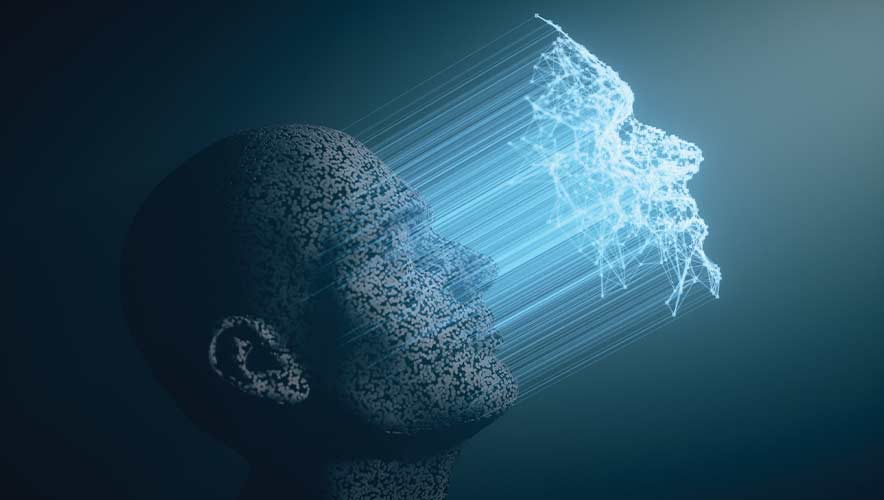
Facial recognition has emerged as one of the most advanced forms of biometric authentication. By mapping a person’s unique facial features, this technology enables contactless and seamless access control. Whether it’s used in corporate offices, airports, or secure facilities, facial recognition combines speed, accuracy, and convenience in a way that few other technologies can match.
Key Benefits of Facial Recognition and Biometrics
Enhanced Security
Biometrics are nearly impossible to replicate, making them a robust defence against identity theft and fraud.
Convenience
Unlike passwords or access cards, biometrics eliminate the need for physical credentials. Users simply need to present themselves for access.
Speed and Efficiency
Facial recognition systems process identities in seconds, reducing queues and improving flow in high-traffic areas.
Customisation
Modern systems can be tailored to meet the specific needs of businesses, from granting access to high-security areas to managing attendance seamlessly.
Integration with Other Systems
Biometric technologies integrate effortlessly with existing security infrastructure, such as CCTV and alarm systems, creating a comprehensive solution.
Applications in Modern Businesses
Facial recognition and biometric systems are versatile and applicable across numerous industries:
- Corporate Offices: Replace traditional access cards with facial recognition for hassle-free entry.
- Healthcare: Secure sensitive patient data and control access to restricted medical facilities.
- Banking and Finance: Authenticate transactions and protect customer accounts.
- Retail: Enhance loyalty programmes by recognising VIP customers.
- Transport: Ensure secure and efficient passenger verification at airports and train stations.
Overcoming Challenges
While the advantages of facial recognition and biometrics are clear, it’s important to address challenges such as privacy concerns and compliance with data protection regulations like GDPR. Businesses must implement these technologies responsibly, ensuring that personal data is stored securely and used ethically.
The Future of Biometrics
With advancements in artificial intelligence and machine learning, facial recognition and biometrics are set to become even more precise and versatile. Emerging applications include detecting emotions, monitoring workplace safety, and enabling seamless contactless payments. As these technologies evolve, their potential to redefine security and convenience grows exponentially.
Conclusion
Facial recognition and biometric technologies represent a significant leap forward in modern security. By offering unmatched accuracy, convenience, and scalability, they empower businesses to protect their assets and people like never before. Investing in these solutions today will position organisations at the forefront of secure and innovative practices.
#FacialRecognition #Biometrics #ModernSecurity #AIInnovation #IdentityVerification #ContactlessSecurity #BusinessSafety #SmartSolutions #TechAdvancements #DataProtection
